
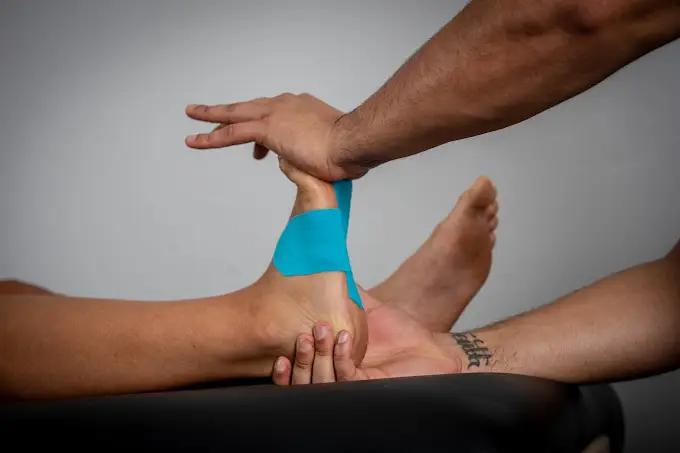
A hard workout, a long run, or a demanding week at work can leave you feeling tight. But when that tightness becomes a nagging hip, a shoulder that will not move overhead, recurring calf strain, or back pain that changes how you train, recovery needs more than a foam roller and a day off. Sports massage is targeted bodywork designed to address the muscles, connective tissue, and movement patterns that may be holding you back.
This is not a generic relaxation massage with a sports label. Effective treatment starts with understanding what hurts, what movements are limited, what your training demands, and what may be contributing to the issue. The goal is straightforward: reduce pain, restore useful mobility, and help you return to the activities that matter to you with a better plan for staying there.
What sports massage is designed to do
Sports massage is a clinical, performance-focused approach to manual therapy. It can support people preparing for an event, recovering after intense training, managing an overuse problem, or trying to move well despite the physical demands of work and life.
The treatment may include focused work on muscle tension, trigger points, fascia, and restricted soft tissue. Depending on your presentation, it may also incorporate neuromuscular therapy, myofascial release, facilitated stretching, cupping, Gua Sha, or instrument-assisted soft-tissue mobilization. These are tools, not automatic add-ons. The right technique depends on your symptoms, tissue tolerance, range of motion, injury history, and goals.
For example, a runner with persistent calf tightness may actually need attention to ankle mobility, foot mechanics, and load management rather than increasingly aggressive work directly on the calf. A weightlifter with front-shoulder pain may benefit from improving thoracic movement and shoulder control alongside treatment of overactive chest and upper-back tissues. The location of pain matters, but it is not always the full story.
When sports massage can be a good fit
You do not need to be a competitive athlete to benefit from sports-focused bodywork. Recreational runners, golfers, cyclists, martial artists, dancers, weekend hikers, and active professionals often develop the same kind of movement restrictions and repetitive-use irritation seen in high-level training.
Sports massage may be appropriate when you are dealing with ongoing muscle soreness that does not resolve as expected, limited flexibility affecting your technique, recurring strains, reduced range of motion, or discomfort that appears during a specific activity. It can also be useful when you are returning to exercise after time away and want help rebuilding capacity without repeating old patterns.
Common reasons clients seek care include neck and upper-back tension from cycling posture or desk work, low-back discomfort during lifting, plantar fasciitis that makes running painful, tight hips affecting squats, elbow irritation from tennis or climbing, and shoulder restriction that interferes with swimming, golf, or overhead presses.
Massage is not a substitute for medical diagnosis when a condition needs one. Sudden severe pain, significant swelling, numbness, weakness, unexplained symptoms, fever, or a suspected fracture require prompt medical evaluation. A responsible treatment plan also accounts for recent surgery, blood-clot risk, acute inflammation, medication use, and other health factors that may change what is appropriate.
The best results begin with assessment
The difference between a temporary release and meaningful progress often comes down to assessment. Before treatment, a skilled therapist should ask how your symptoms began, what makes them better or worse, how your body responds to training, and what you need to be able to do.
Movement screening provides useful context. You may be asked to squat, rotate your neck, raise an arm, bend, walk, or demonstrate the motion that causes symptoms. This is not about judging your fitness. It is about identifying restrictions, compensations, and sensitive tissues that can guide treatment.
At San Diego Medical Massage, that process is built around assessment, targeted treatment, and maintenance. Your session should have a purpose beyond feeling looser on the table. You should leave with a clearer picture of what was addressed, how your body may respond over the next day or two, and what you can do between appointments to support recovery.
What a session may feel like
Sports massage does not need to be painful to be effective. Some areas may be tender, particularly when working with active trigger points or tissues that have been overloaded for a long time. But treatment should stay within a tolerable range. Holding your breath, tensing against the pressure, or feeling bruised for days is not a sign that the session worked better.
Communication matters. Let your therapist know if the pressure feels sharp, electric, numb, or too intense. Those sensations may call for a change in technique or an entirely different treatment area. Productive work often feels specific and intentional, followed by a sense of easier movement, reduced guarding, or less discomfort during a previously limited motion.
You may feel immediate improvement, especially when pain is connected to muscle guarding or restricted soft tissue. Other issues need a series of sessions because they developed over months or years. Chronic pain, recurring injuries, and movement limitations usually respond best to a plan that combines hands-on care with changes in training, mobility work, sleep, strength, and daily habits.
Timing sports massage around training
The best timing depends on your goal. Before a competition or demanding workout, treatment should generally be lighter and focused on preparing movement rather than creating soreness. A deep, intense session immediately before a race, tournament, or lifting test can leave you feeling sluggish or sensitive when you need to perform.
After hard training, sports massage can help you shift out of a guarded state and address areas that feel especially restricted. It should not be viewed as permission to ignore fatigue, poor programming, or inadequate recovery. If your training volume has increased too quickly, no amount of bodywork will fully solve the problem without adjusting the load.
During injury recovery, timing and pressure should be even more specific. Acute injuries may require protection and medical guidance before direct work is appropriate. Later in recovery, treatment can help address compensatory tension, restore range of motion, and make return-to-training exercises more comfortable. The plan should evolve as your symptoms and capacity change.
How to make the results last
A massage appointment is one part of recovery, not the whole system. The most lasting results come when treatment is paired with practical follow-through. That does not mean an overwhelming home program. Often, one or two targeted mobility drills, a change to warm-up sequencing, a temporary training adjustment, or better break habits during the workday can make a meaningful difference.
If your shoulder feels better after treatment but overhead pressing still causes pain, it may be time to reduce volume, modify grip or range temporarily, and rebuild control through the movement. If calf symptoms calm down but return after every long run, your stride, footwear, hills, speed work, ankle motion, and weekly mileage may all deserve consideration.
Track the outcome that matters most to you. That may be running without heel pain, sitting through a workday without headaches, reaching overhead without pinching, or finishing a round of golf without back stiffness. Measurable goals help determine whether the care plan is working and when maintenance sessions make sense.
Choosing a therapist for sports-related pain
Look for a practitioner who asks questions, assesses movement, explains their reasoning in clear language, and adjusts care to your feedback. Credentials and advanced training matter, but so does the ability to listen. Your therapist should not promise to fix everything in one appointment or use a one-size-fits-all routine regardless of your condition.
It is also reasonable to ask what aftercare is recommended, how often treatment may be needed, and when a referral to another healthcare provider would be appropriate. Good clinical bodywork supports your larger recovery team, whether that includes a physician, physical therapist, coach, trainer, or no one else.
Pain does not have to become the permanent cost of being active. If stiffness, recurring strain, or restricted movement is changing how you train or live, targeted sports massage can be a useful first step toward moving with more confidence and getting back to what you love.